
Call :
+65-955-538-74
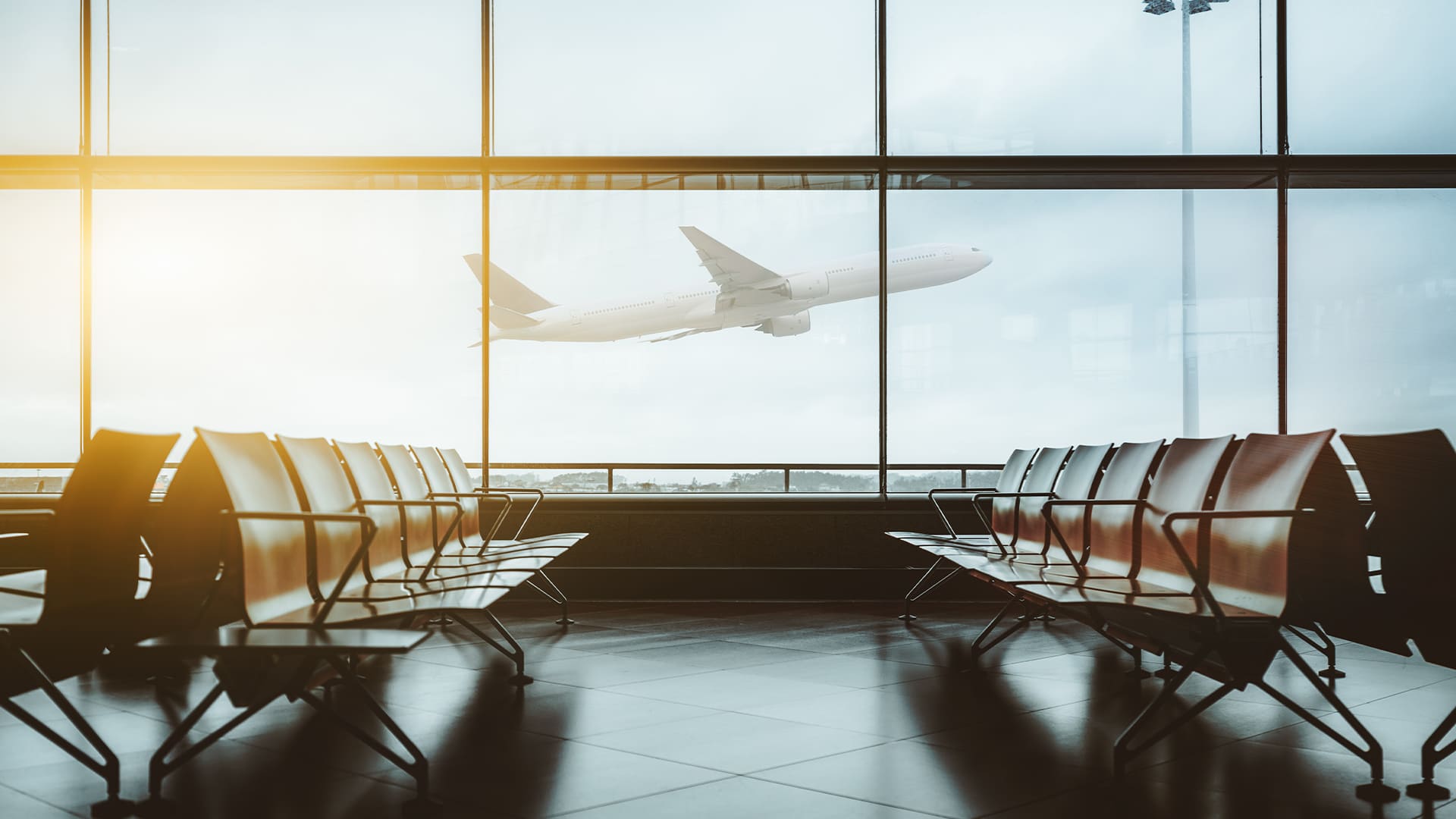
People tend to picture extravagant terminals, comfortable cabins, spectacular views, and the freedom of travel between destinations in sophisticated aircraft, when they imagine the life of a private jet pilot. These elements are definitely a part of the profession, but the reality still is far more disciplined and demanding.
Preparation, precision, communication, safety, and decision-making form an important part of the day of a private jet pilot. Private aviation involves changing destinations, short-notice requests, unusual operating hours, and highly personalized travel requirements make up private aviation, which is different from the fixed schedules commonly associated with commercial aviation.
A considerable amount of work goes behind every smooth journey, which begins long before the aircraft leaves the ground.
Well before any passenger even arrives, the workday of a passenger already begins. The first priority is understanding the mission. There’s a lot to understand, including where the aircraft is going, when it needs to depart, how many people will be aboard, what the expected flight conditions are, and whether there are any special operational considerations.
One of the highly important parts in the overall preparation process is the weather. Pilots examine current conditions and forecasts along the entire route. They don’t just look at the weather at the departure and destination airports. The route, altitude, fuel requirements, and overall feasibility of the flight all depends on wind, visibility, thunderstorms, icing, turbulence, temperature, and other factors.
Moreover, aviation notices, airport information, navigation facilities, runway conditions, and potential restrictions are also reviewed by pilots. Any information relevant to the flight is gathered by the pilot, as they assess the safety of the operations, and prepare an appropriate flight plan as well.
The attention turns to the aircraft itself, once the flight plan is taking shape. While a private jet may look immaculate from the outside, appearance only plays a small part in determining whether a flight should fly or not. A systemic preflight inspection is conducted by the pilot, who examines areas such as the exterior surfaces, landing gear, engines, tires, lights, control surfaces, fluid levels, and other components according to the aircraft's procedures and checklist.
The pilot also reviews the instruments inside the cockpit of the flight. Besides, avionics, warning systems, navigation equipment, communication systems, and required documentation are also reviewed. Maintenance status of the aircraft plays an important role as well. They must understand any outstanding maintenance items and evaluate them according to the applicable operating procedures.
Inspection before flight is essentially a final opportunity to identify something that could affect the safety of the flight. An important safety barrier in business aviation is systematic walk-around inspections. They reveal all types of problems that might have otherwise gone unnoticed.
Flexibility is required in private aviation. However, flexibility doesn’t mean improvisation at all. A practical plan for the flight is developed by the pilot, who considers all aspects like the aircraft's performance, expected weather, available runways, air traffic, fuel requirements, alternate airports, and other operational factors.
Other important areas include weight and balance. This is because aircraft performance depend on the amount and distribution of passengers, luggage, fuel, and equipment. Besides, as a responsible pilot, one needs to think beyond the ideal scenario.
A few important questions to consider here include:
The pressure reduces significantly when circumstances change, if alternatives are already planned. Pilots are encouraged to consider weather aircraft condition, human factors, performance, experience, and mission pressures when evaluating flight risk, due to business aviation safety guidance.
Often associated with personalized services, private jet travel requires pilots to have more interactions with passengers than airline pilots normally do. Before departure, a pilot is expected to meet the passengers, answer questions, discuss the expected flights, and even ensure everyone understands relevant safety procedures.
While the overall interaction may be informal, but strict professional standards are always maintained by the pilots. The reason for passenger travel may be for business, leisure, family commitments, or urgent personal reasons. While, their schedules may be important , safety remains the overriding consideration here.
Thus, balancing customer service with sound aeronautical judgment is essential to be a skilled private aviation pilot. This is especially even more important, when the passengers have a tight schedule. As a pilot allowing time pressure or passenger expectations to replace proper decision-making is not at all acceptable.
The aircraft is ready to depart after all passengers are aboard and the necessary checks are complete. Intense concentration is necessary when the flight is taking off. There is a need for the pilot to monitor engine performance, aircraft speed, flight instruments, communication with air traffic control, and the aircraft's response to control inputs.
The attention shifts towards climbing safely, once the takeoff is complete. Then the planned route is established. The workload may appear lighter during cruising, but active management of flight is still a big necessity. There might be unexpected changes in weather conditions, route adjustments may be needed as per air traffic instructions, and fuel consumption must be monitored at all times.
According to established procedures, operations are divided, when the operation is two-pilot.
Crew members communicate, cross-check information, monitor instruments, and support one another throughout the flight. Standard operating procedures and crew resource management are important parts of modern business aviation safety practices.
The ability to adapt is one of the highly important qualities of a private pilot. It’s not necessary that a flight that started under clear skies, will never encounter changing weather several hours later. Besides, there might be congestion at the destination airport or it might become temporarily unavailable. There might be changes in passenger schedules, or even mechanical issues may change the plan.
If something unexpected has happened, the situation needs to be evaluated by the pilot. They must consider the available options, communicate with relevant people, and choose the safest practical course of action as well.
Thus, it’s clear that aviation is not simply about knowing how to operate an aircraft. It has a lot to do with decision-making under changing circumstances. Constant evaluation of risks is necessary to become a good pilot. A pilot can never assume that the original plan will remain appropriate throughout the entire flight.
The workload of the pilot tends to increase, as the plane approaches its destination. The latest weather, runway information, approach procedures, and airport conditions are all reviewed by the crew. Cautious briefing of the condition takes place, which includes the intended procedure and what will happen if the aircraft cannot complete the landing as planned.
Pilots are in constant communication with air traffic control during the descent. They simultaneously configure the aircraft for landing, monitor speed and altitude, and remain alert to changing conditions. With a stabilized approach, safety objective can be met. Besides, pilots must be prepared to discontinue a given course, if the required criteria aren’t being met in a given circumstance.
The pilot’s responsibilities don’t necessarily end with the landing. The aircraft needs to be taxied safely post-landing. Besides, the crew members must be aware of other aircraft, vehicles, personnel, and changing ground conditions as well.
The pilot’s work continues, even after the passengers have all disembarked. There might be refueling needs, cleaning needs, inspections, security checks, or preparations for another flight. The pilot may also complete operational records and discuss any relevant issues with maintenance personnel, schedulers, or other members of the flight department.
The preparation cycle begins again, if another flight is scheduled for that day. With private aviation involving quick turnarounds, coordination between pilots, ground personnel, maintenance teams, and scheduling staff becomes particularly important.
The life of a private jet pilot has parts that happens away from the aircraft. There is a need for the pilots to maintain their qualifications and proficiency, which requires recurring training, simulator sessions, examinations, and practice of normal and emergency procedures.
With constant changes in aviation industry, pilots need to remain familiar with updated procedures, technology, regulations, and safety practices. Fatigue management is also essential here. Different regulatory requirements may govern flight time, duty periods, and rest, depending on the type of operations. There are specific regulatory limitations on commercial and certain other operations. Whereas, the requirements may differ for other types of general aviation.
A day in the life of a private jet pilot is not just about sitting behind the controls of an extravagant jet. It’s much more than that! There are a lot of other elements associated with it as well. It can involve studying weather, checking the aircraft, calculating performance, planning routes, communicating with passengers and aviation professionals, monitoring changing conditions, making thoughtful decisions, and completing responsibilities after landing.